August 16, 2026
Severe weather can affect a roof in ways that are not always immediately visible from the ground. High winds, heavy rain, hail, and flying debris can damage roofing materials and create weaknesses that may worsen over time. While some storm damage is obvious, other problems may remain hidden until water begins entering the property or additional materials start deteriorating. Knowing what warning signs to look for can help property owners respond before a minor issue becomes a major repair. Even when a roof appears intact after a storm, a closer inspection may reveal loose materials, damaged flashing, or other concerns. Prompt attention can help protect the structure, interior spaces, and belongings beneath the roof. According to This Old House, metal roofing ranks as the second-most common roofing material for both residential and commercial properties, demonstrating how widely different roofing systems are used. Working with a professional roofing company after significant weather can help identify potential problems and determine whether repairs are necessary.
Check for Missing or Damaged Shingles
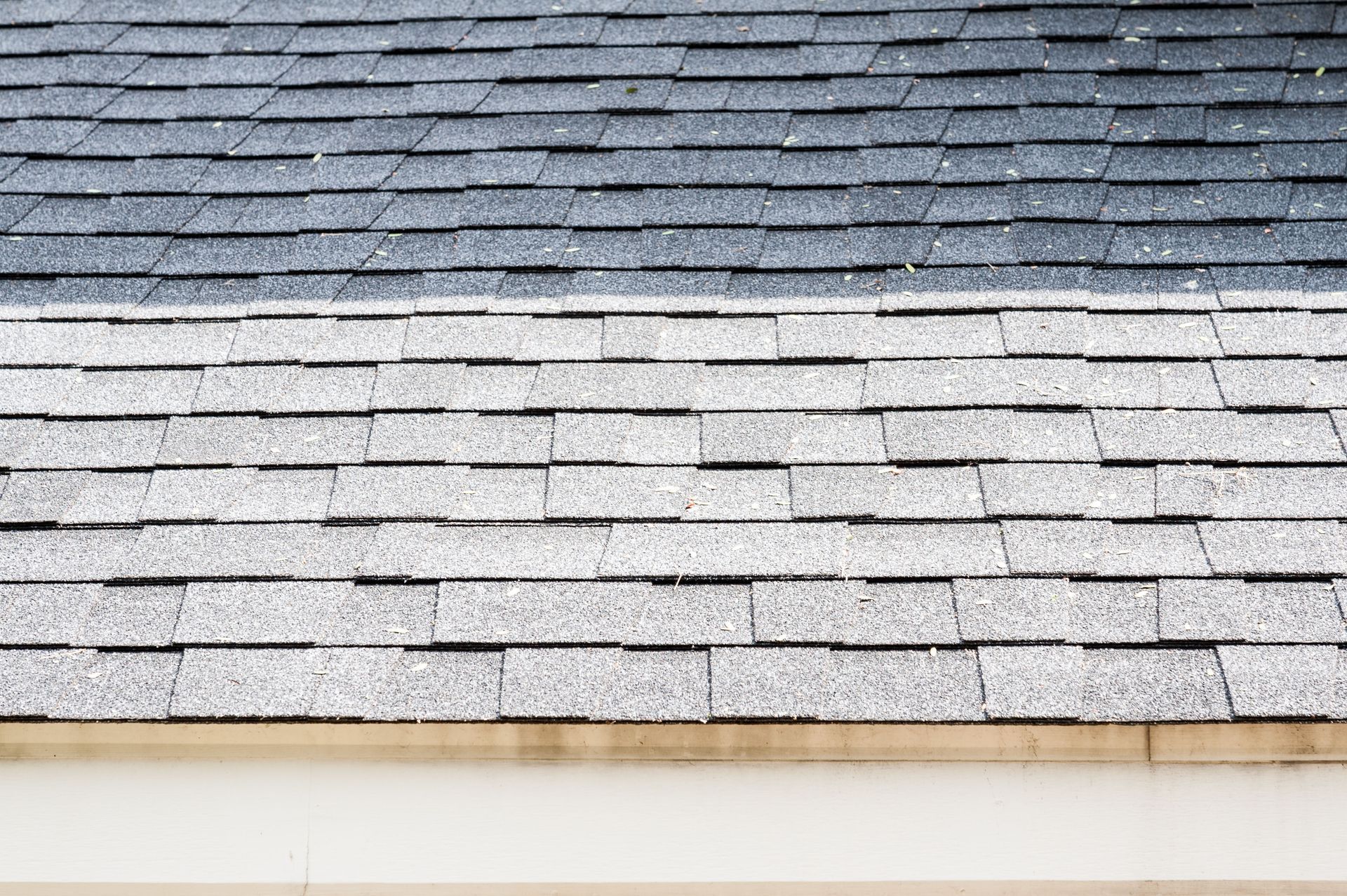
One of the most noticeable signs of storm damage is missing, cracked, or broken shingles. Strong winds can loosen roofing materials and cause individual shingles to lift away from the roof surface. Hail can also leave visible marks, cracks, or damaged areas that may affect the material's ability to protect the structure. Even a small section of missing shingles can expose the underlying roofing components to moisture. Homeowners should look for changes in the roof's appearance after severe weather, particularly if nearby properties show signs of wind damage. Damaged shingles may not always be visible from ground level, making a professional inspection useful after a major storm. Replacing compromised materials promptly can help reduce the risk of additional deterioration. A roofing company can assess the condition of damaged shingles and determine the appropriate repair approach.
Look for Granules Around the Property
Roofing granules provide an important protective layer on many types of shingles, helping shield the material from weather exposure. After a significant storm, homeowners may notice an unusual amount of granules collecting in gutters, downspouts, or around the base of the property. While some granule loss can occur naturally as roofing materials age, a sudden increase following severe weather may indicate damage. Hail can cause granules to loosen from the surface of shingles, leaving exposed areas more vulnerable to sunlight and moisture. Checking gutters after a storm can therefore provide useful clues about the condition of the roof. Homeowners should avoid assuming that visible granules are harmless simply because the roof looks intact. A professional assessment can determine whether the loss is normal or connected to storm damage. A roofing company can inspect affected areas and identify whether repairs or further evaluation may be necessary.
Inspect Flashing and Roof Edges
Flashing helps direct water away from vulnerable areas where different roofing surfaces meet or where roof materials connect with other parts of the structure. Strong winds can loosen flashing, while falling debris can bend or damage it. Damaged flashing can create openings where rainwater enters the roofing system. Roof edges can also be vulnerable during severe weather because wind can get underneath improperly secured materials. Homeowners should pay particular attention to visible changes around chimneys, vents, roof intersections, and other areas where flashing is commonly installed. Some flashing problems may not be easy to identify without getting close to the roof, so homeowners should avoid climbing onto damaged roofing themselves. Professional inspections can reveal concerns that may not be apparent from the ground. A qualified roofing company can evaluate flashing and roof edges to determine whether storm-related repairs are needed.
Watch for Water Stains Indoors
Water stains on ceilings or walls can be an important warning sign following severe weather. A brown, yellow, or discolored area may indicate that water has entered through a damaged section of the roof. Some leaks appear immediately after a storm, while others may take time to become noticeable. Moisture can travel along roofing materials, insulation, or structural components before becoming visible inside the property. This means the location of an interior stain does not necessarily correspond directly with the source of the leak. Homeowners should take new stains, dampness, or dripping water seriously, especially when these signs appear after heavy rain. Addressing the underlying roofing issue quickly can help limit additional moisture damage. A roofing company can inspect the exterior and help locate areas that may be allowing water to enter.
Notice Sagging Areas or Uneven Surfaces
A sagging section of a roof can indicate a more significant structural or moisture-related concern. Heavy rain can introduce water into damaged roofing systems, while prolonged moisture exposure can affect materials beneath the roof surface. Storm-related debris can also place additional weight on a roof and contribute to visible changes in its shape. Homeowners should pay attention to unusual dips, uneven sections, or changes in the roofline after severe weather. These conditions should not be ignored because they may indicate that the roofing system requires immediate professional evaluation. Attempting to walk across or inspect a visibly sagging roof can create unnecessary safety risks. Instead, homeowners should arrange for a qualified professional to evaluate the area. A roofing company can determine the severity of the issue and recommend appropriate next steps.
Check Gutters and Downspouts
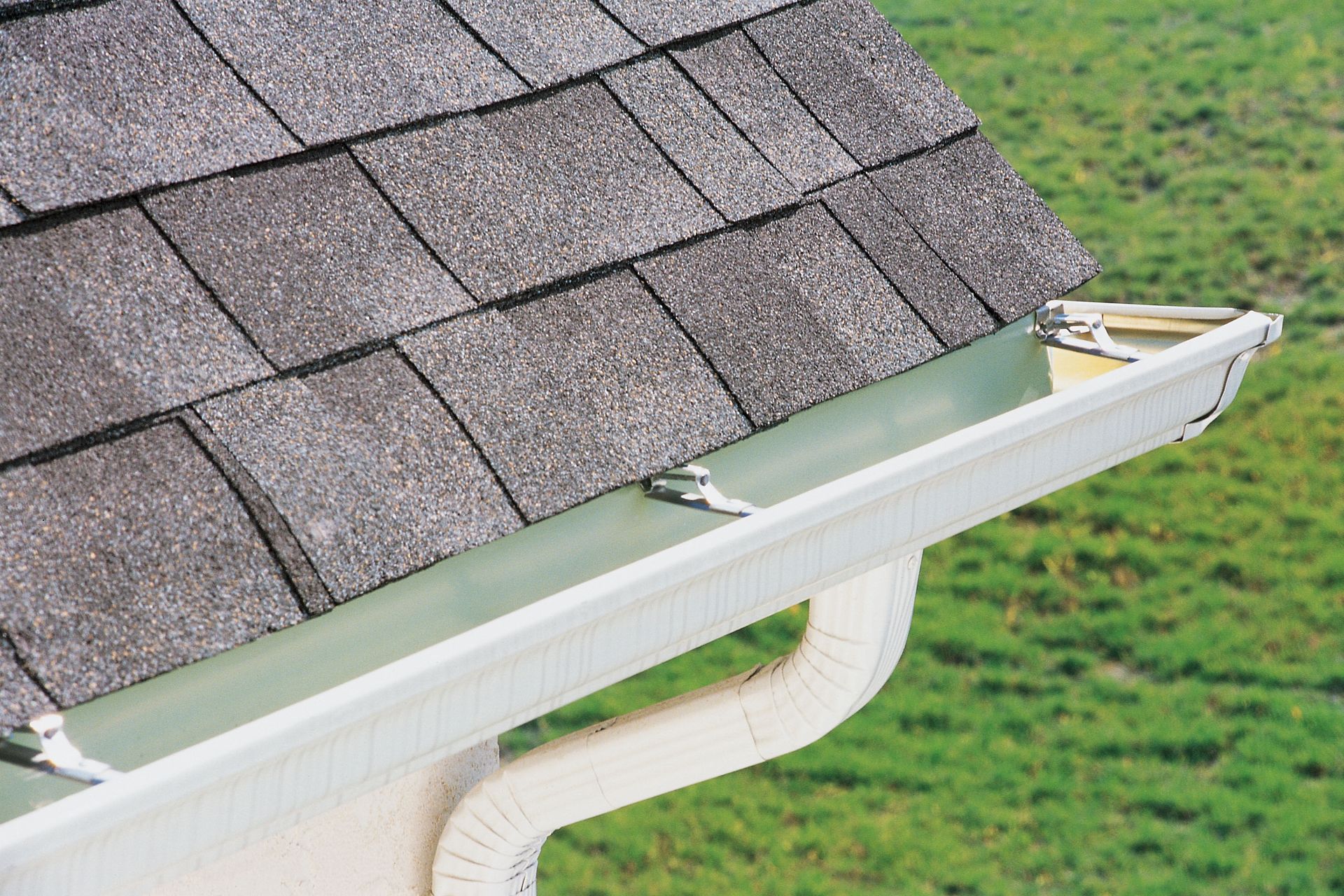
Gutters and downspouts can provide useful information about the condition of a roof following a storm. Large amounts of roofing material, granules, shingle fragments, or other debris may indicate that the roof experienced damage. Gutters can also become clogged or displaced when severe weather affects the roof and surrounding property. When water cannot move properly through the drainage system, it may collect near the roofline or foundation. Homeowners should inspect gutters from a safe position and look for unusual debris or visible damage after major storms. Changes in water flow can also indicate that parts of the drainage system need attention. Keeping gutters clear supports proper water management and can help protect the property's exterior. A roofing company can consider gutter conditions as part of a broader post-storm roof evaluation.
Listen for Unusual Sounds
Some storm-related roofing problems can be identified through changes in sounds around the property. Loose materials may create rattling or flapping noises when wind passes over the roof. These sounds can indicate that shingles, flashing, vents, or other components have become loose. Unusual noises may be especially noticeable during or immediately after periods of strong wind. Homeowners should not attempt to climb onto the roof to investigate these sounds while severe weather is occurring. Instead, they can note when the noises happen and arrange for an inspection once conditions are safe. Early attention may help identify loose components before they become missing materials or sources of water intrusion. Professional evaluation provides a safer way to determine what may be causing unusual roof sounds. A roofing company can inspect the system and address storm-related concerns appropriately.
Schedule an Inspection After Severe Weather
Not every storm-related problem can be identified through a simple visual inspection from the ground. Some damage occurs beneath roofing materials or in areas that are difficult for homeowners to see safely. Scheduling a professional inspection after significant weather can help identify potential problems before they become more extensive. This is particularly important after hail, high winds, heavy rainfall, or storms involving falling branches and debris. An inspection can provide a clearer understanding of the roof's current condition and whether repairs are necessary. Property owners should also keep records of visible damage and changes noticed after a storm. Prompt evaluation can help prevent minor concerns from developing into larger roofing problems. Working with a roofing company provides homeowners with professional assistance when determining the condition of their roof after severe weather.
Storm damage should never be overlooked simply because a roof appears intact from the ground. Missing materials, granule loss, damaged flashing, interior water stains, sagging areas, and unusual sounds can all indicate that a professional evaluation may be necessary. M&G Roofing provides professional roofing services to help property owners address concerns and maintain the condition of their roofing systems. If your roof has recently experienced severe weather or you have noticed signs of possible storm damage, contact us to discuss your concerns and arrange an appropriate inspection. Taking action early can help you better understand your roof's condition and determine the next steps for protecting your property.