October 9, 2026
Heavy rain poses an immediate threat to the structural integrity of your residential roofing system. When torrential downpours strike, thousands of gallons of water cascade down your roof deck in a matter of minutes. Without a high-capacity, properly pitched water management system, this massive volume of water pools along eaves, backs up under shingles, saturates fascia boards, and washes away delicate foundation soil. Upgrading to a modern, professionally installed gutter system is one of the most effective ways to protect your home's roof, walls, and foundation. By examining how modern gutter technology manages stormwater, safeguards roofing components, and reduces long-term maintenance costs, homeowners can make informed decisions to secure their property against severe weather.
c
Understanding the Role of Gutters in Water Management
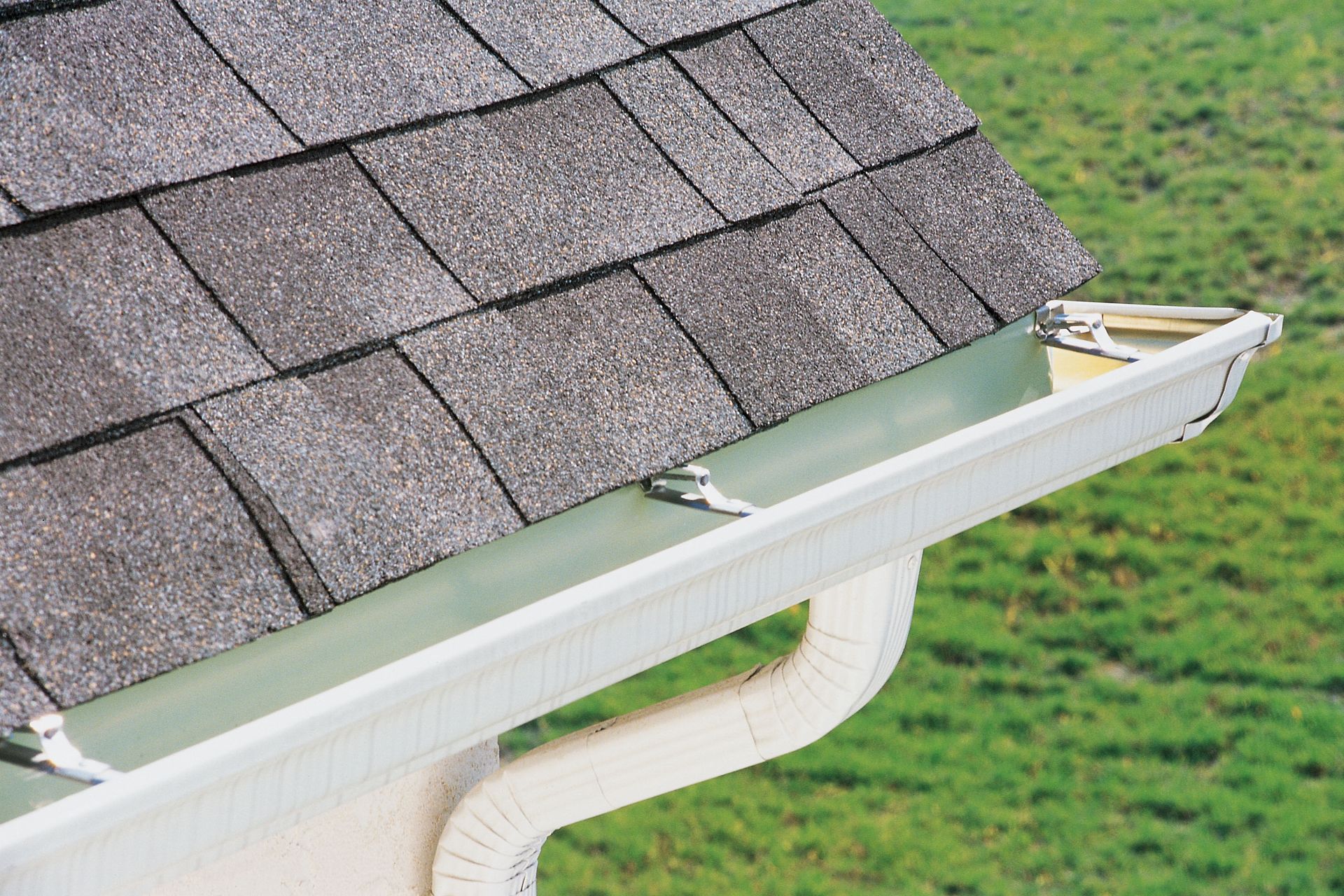
The primary purpose of a residential gutter system is to collect surface runoff from the roof plane and channel it safely away from the building envelope. During heavy rainfall, an underpowered or sagging gutter quickly becomes overwhelmed, causing water to spill over the sides and collect around the foundation. This uncontrolled overflow leads to severe ground erosion, basement flooding, and structural cracking in the foundation. According to HomeGuide, most gutters are five or six inches wide, with larger gutters being better for areas with frequent heavy rains. Upgrading to six-inch or oversized commercial channels significantly increases liquid capacity, allowing the system to handle intense downpours without overflowing.
Beyond protecting the ground level, effective water management directly shields the roof edge and eave assembly from excessive weight and moisture stress. Unmanaged rainwater pooling along the roof line increases the dead load placed on roof rafters and fascia boards. Over time, standing water rot wooden components, loosening the structural fasteners holding your roof deck together. Working with certified roofing contractors ensures that replacement gutters are sized accurately according to your roof's total square footage and local rainfall intensity, preventing structural overload and extending the life of your entire home.
Advancements in Gutter Design and Technology
Modern manufacturing has drastically improved the durability and hydraulic efficiency of residential drainage systems. Traditional sectional gutters relied on short metal lengths joined by seams every ten feet. Over time, temperature fluctuations cause these seams to pull apart, creating persistent leak points that allow water to rot nearby fascia boards. Contemporary seamless gutters are custom-extruded on site from heavy-gauge aluminum, steel, or copper, eliminating mid-run seams entirely. This seamless design minimizes leak risks, reduces debris snags, and delivers a clean, modern aesthetic that enhances your home's exterior appearance.
Technological advancements have also led to superior accessory integration, such as high-flow micro-mesh gutter guards and smart sensor monitors. Gutter guards block leaves, pine needles, and roof shingle granules from entering the channel, ensuring that water flows freely toward downspouts even during heavy autumn storms. Advanced smart gutter systems utilize integrated moisture and flow sensors to notify homeowners of sudden blockages or localized standing water directly via smartphone apps. Consulting with experienced roofing contractors allows homeowners to select advanced material profiles and protective guards that virtually eliminate manual cleaning while maximizing stormwater evacuation speeds.
The Relationship Between Gutters and Roof Longevity
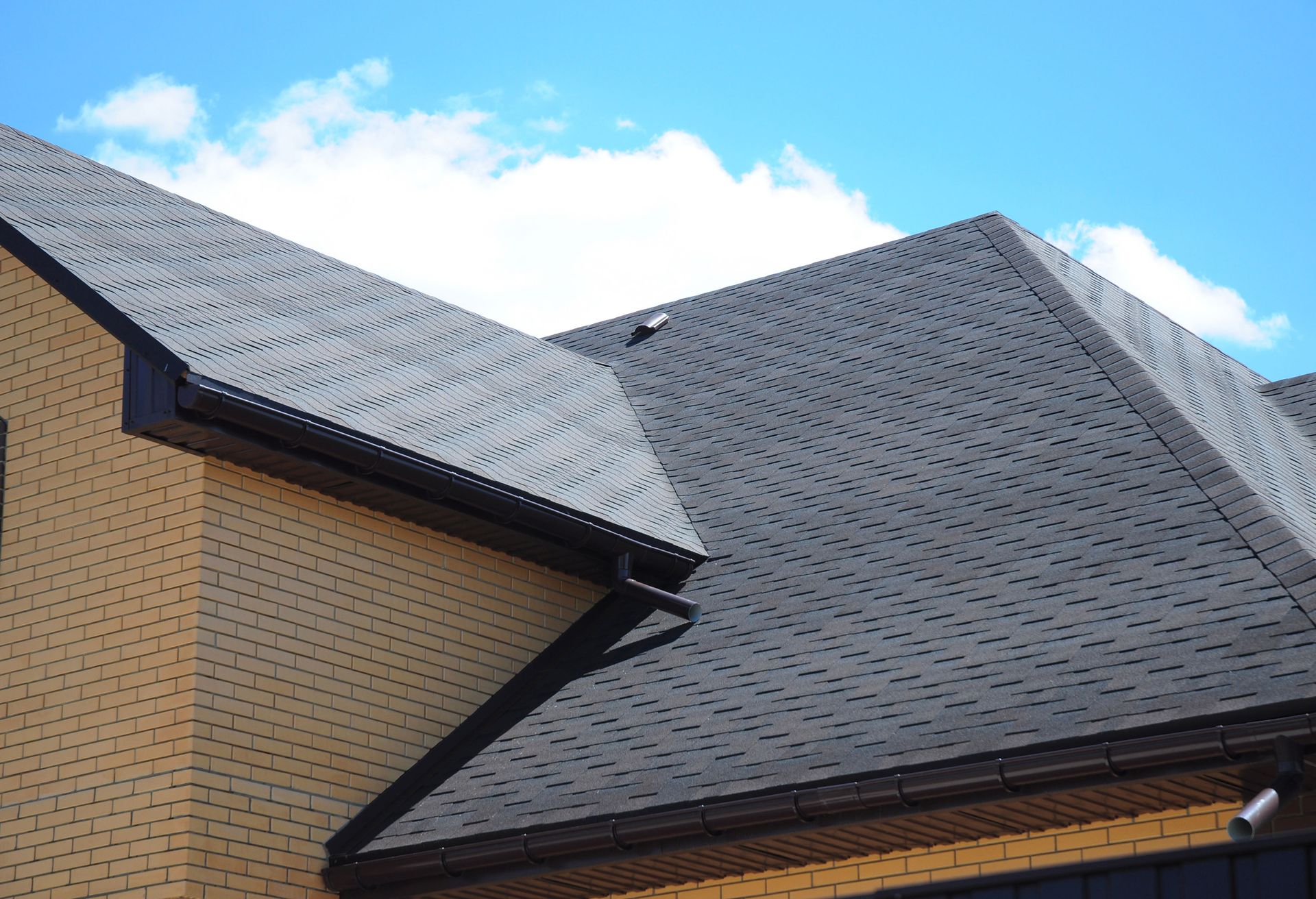
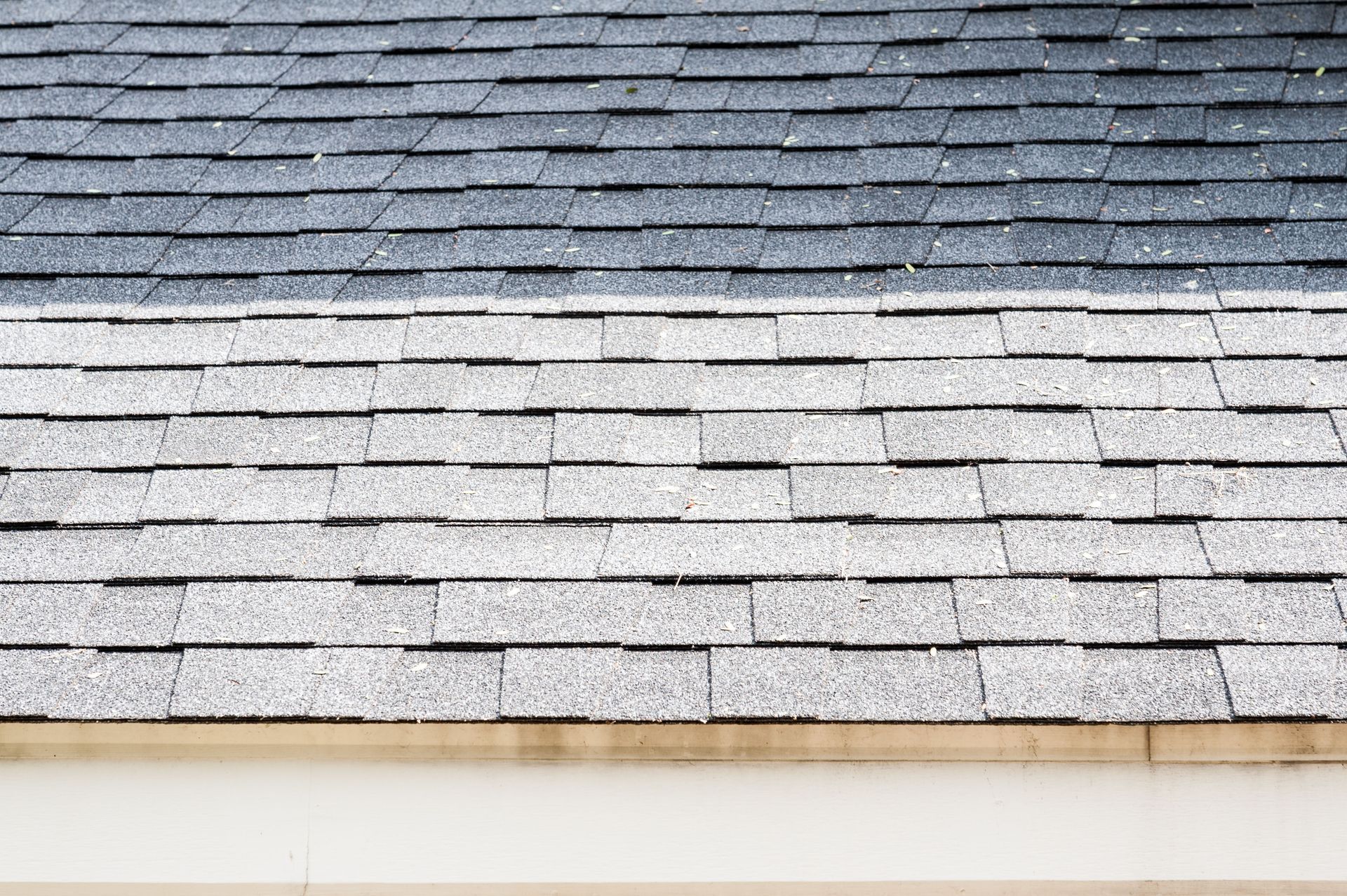
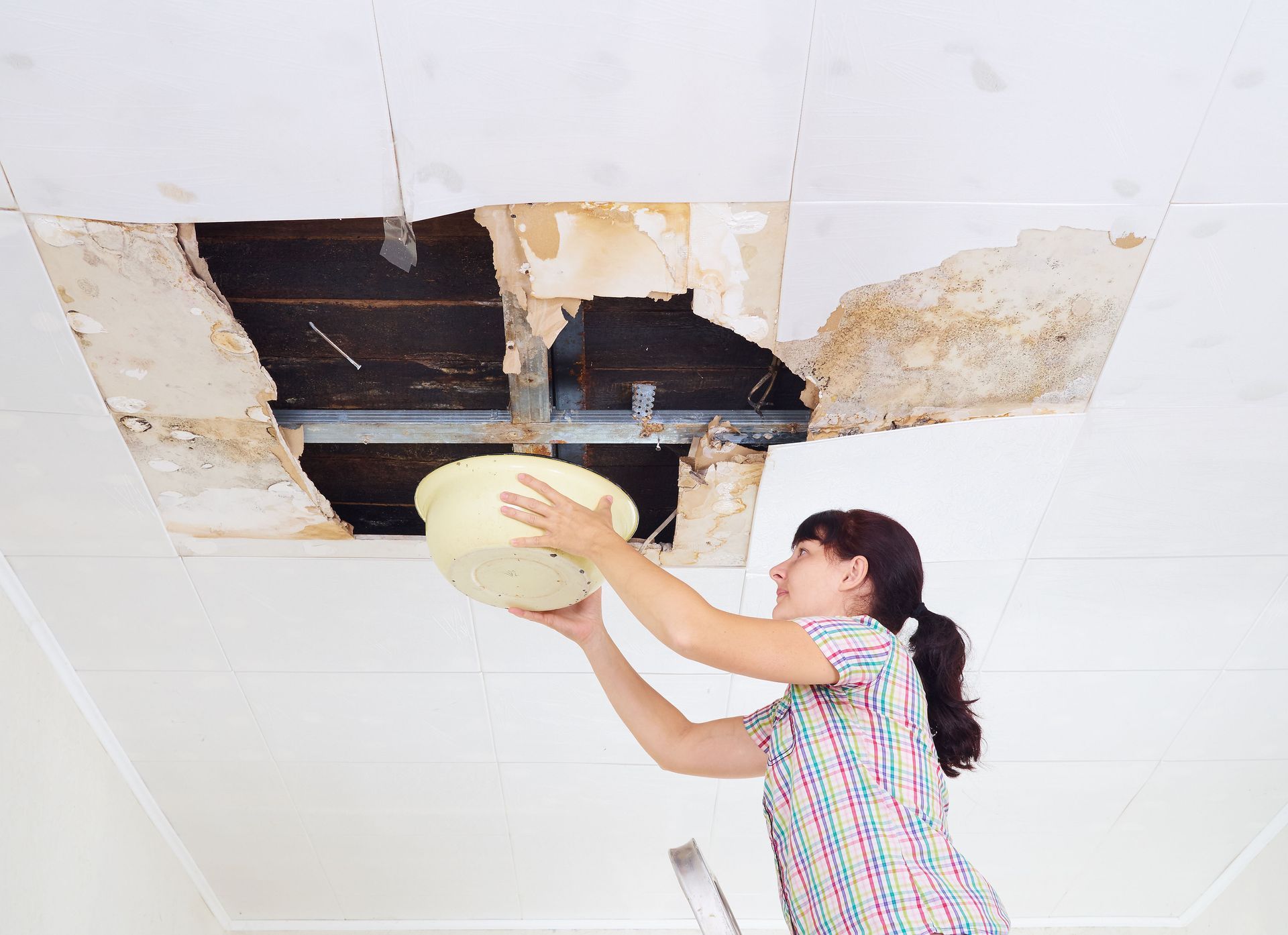
A non-functioning or clogged gutter system accelerates roof degradation in several critical ways. When rainwater backs up behind a clogged channel, it submerges the lowest row of shingles. Prolonged moisture exposure breaks down shingle adhesives, dissolves asphalt granules, and allows water to seep upward through cap sheets via capillary action. This persistent moisture saturates the underlying plywood sheathing, triggering internal wood rot, structural sagging, and mold growth inside the attic space. A clean, high-capacity gutter ensures that water leaves the roof edge instantly, allowing shingles and underlayment to dry rapidly between storms.
In colder climates, high-performance gutters play a vital role in preventing devastating ice dams during winter freeze-thaw cycles. Ice dams form when melting snow runs down a warm roof deck and refreezes upon hitting cold, uninsulated eaves or clogged gutters. The resulting ice wall traps subsequent meltwater, forcing it under shingles and directly into interior ceiling cavities. Properly pitched, clear gutters allow meltwater to drain completely before it can refreeze. Furthermore, by keeping roof margins dry during warmer months, new gutters inhibit the growth of dark algae, moss, and lichens that strip shingles of their protective mineral coatings.
Cost-Benefit Analysis of New Gutter Installation
Investing in new gutters delivers substantial long-term financial returns by preventing expensive structural repairs across your property. The cost of replacing a compromised gutter system is a fraction of what homeowners pay to repair water-damaged foundations, replace rotted roof trusses, or remediate widespread toxic mold infestations. By keeping water completely isolated from sensitive building materials, modern gutters preserve the structural health of your home, saving thousands of dollars in unexpected emergency maintenance over the system's operational lifecycle.
Furthermore, updating your home's exterior water management system directly increases property resale value and curb appeal. Prospective home buyers recognize the value of a high-capacity, seamless aluminum or copper gutter system, viewing it as proof of diligent property upkeep. Updated drainage systems also improve interior energy efficiency by keeping wall cavities and basement insulation dry, preserving their thermal resistance values. When evaluating total project scope, consulting with licensed roofing contractors helps balance upfront material selection against projected long-term performance gains, ensuring maximum return on your home improvement investment.
Case Studies: Real-World Impact of New Gutters
Real-world applications consistently highlight the dramatic performance improvements provided by modern gutter installations. In suburban residential developments, upgrading from clogged five-inch sectional gutters to seamless six-inch architectural profiles routinely eliminates basement dampness and stops soil erosion along perimeter flower beds. Homeowners in high-rainfall coastal regions report immediate reductions in eave rot and soffit staining following full system replacements, proving that efficient water evacuation preserves critical exterior woodwork.
Similar success is observed in commercial and heritage building restorations. Historic homes featuring intricate rooflines and steep pitches often generate high-velocity runoff that easily overwhelms standard drainage hardware. Custom-fabricated, high-capacity gutters effectively capture this rapid water flow without compromising the building's historical architectural character. Furthermore, insurance data reveals that homeowners who maintain updated, debris-free gutter systems file significantly fewer water-damage and roof-leak claims following severe weather events, reinforcing the practical and financial wisdom of upgrading your drainage infrastructure.
Expert Tips for Choosing the Right Gutters
Selecting the ideal gutter system requires careful consideration of your regional climate, roof pitch, and architectural style. To ensure optimal performance, calculate your roof's drainage area and local rainfall density before choosing channel width and downspout dimensions. In areas subject to frequent, heavy downpours, opting for six-inch seamless gutters paired with oversized three-by-four-inch downspouts guarantees rapid water evacuation without risk of backing up onto the roof deck. Proper installation pitch—typically one-quarter inch of slope for every ten feet of run—is equally critical to keep water moving smoothly toward downspouts.
Partnering with licensed roofing contractors remains the single most important step in securing a durable, leak-free installation. Professional installers possess specialized machinery to form custom seamless channels, evaluate fascia board structural integrity, and apply commercial-grade hidden hangers spaced at precise intervals to withstand heavy water and snow loads. Routine seasonal maintenance, including bi-annual inspections and prompt removal of stray debris, ensures your new gutters operate at peak hydraulic capacity year after year. Modern high-capacity gutters protect your roof investment, preserve your foundation, and keep your home safe and dry during the fiercest rainstorms. When you are ready to upgrade your roof's water management system, trust the experienced team at M&G Roofing to deliver exceptional craftsmanship, superior materials, and reliable service tailored to your home.