October 5, 2026
Roof leaks are notorious for causing extensive damage long before a homeowner ever notices a drop of water dripping from the ceiling. A tiny penetration in your shingles can quickly transform into a massive structural issue as water silently travels along rafters and insulation. Understanding the hidden dynamics of moisture intrusion helps property owners take proactive measures before minor issues become major disasters. When water finds a way into your home, it rarely stays in one place, making early detection and expert intervention essential for long-term protection.
Understand the Hidden Nature of Moisture Trapped Overhead
Water never follows a simple straight line when it enters through a compromised roofing system. Instead, gravity pulls water down the steepest slope of your roof deck, where it slowly travels horizontally across wooden beams before finding a seam in your interior drywall. This hidden path means that the water stain appearing on your living room ceiling could be coming from an entry point dozens of feet away. By the time moisture saturates your insulation and leaks through drywall, it has already been spreading behind your walls for days or weeks.
Homeowners often make the mistake of waiting until a leak becomes visible before taking action to repair their homes. According to Ruby Home, typical single-family homes across the United States feature a roof surface area that measures approximately 1,700 square feet. Covering such a wide surface area means there are countless potential entry points, including worn flashing, cracked vent boots, and compromised shingles. Hiring a professional roofing contractor to conduct routine inspections ensures that hidden water paths are identified before significant structural rot sets in.
In addition to structural timber deterioration, unchecked moisture creates ideal breeding conditions for mold and mildew. Mold spores can begin colonizing damp building materials within twenty-four to forty-eight hours of exposure to standing water. As moisture spreads through attic insulation, it drastically reduces the material's R-value, leading to noticeable spikes in your monthly heating and cooling bills. Addressing moisture intrusion early preserves indoor air quality while protecting the thermal efficiency of your entire home.
Recognize the Primary Drivers Behind Accelerating Roof Damage
Wind-driven rain, ice dams, and blocked gutter networks actively accelerate the speed at which moisture penetrates a residential building. High winds can lift aged asphalt shingles, creating a direct path for rainwater to driving underneath the primary defense layer. During winter months, ice damming forces trapped meltwater backward under the lower edge of shingles, soaking the underlying plywood decking. Once water breaches the underlayment, capillary action draws liquid deep into porous structural components.
Thermal expansion and contraction also play a major role in expanding tiny roof breaches over time. As temperatures fluctuate daily, roofing materials expand during the heat of the day and contract in the cool evening air. This continuous movement enlarges small tears in membranes and loosens nails, opening larger gaps for water penetration. A licensed roofing contractor knows how to identify these subtle stress points and reinforce vulnerable areas before severe weather strikes. Ignoring minor material fatigue only speeds up the rate of water migration into your attic.
Compounding the problem, clogged gutters prevent water from draining properly away from the roofline during heavy downpours. Backed-up water pools along the fascia boards, rotting the wooden trim and seeping under the edge of the shingles. Over time, standing water degrades the adhesive strips holding shingles together, making the entire roof deck vulnerable to widespread water intrusion. Regular gutter maintenance combined with routine structural checkups keeps water moving safely away from your home's primary structural framing.
Evaluate the Structural Risks of Ignoring Early Warning Signs
Ignoring a small roof leak leads directly to costly interior repairs, compromised structural integrity, and potential safety hazards. Water dripping onto electrical wiring inside attic spaces creates severe short-circuit risks and increases the likelihood of electrical fires. Wood rot severely weakens structural trusses and rafters, compromising the load-bearing capacity of your roof framing during heavy snowfalls or strong windstorms. What begins as a minor stain can rapidly turn into a catastrophic structural failure if left unaddressed.
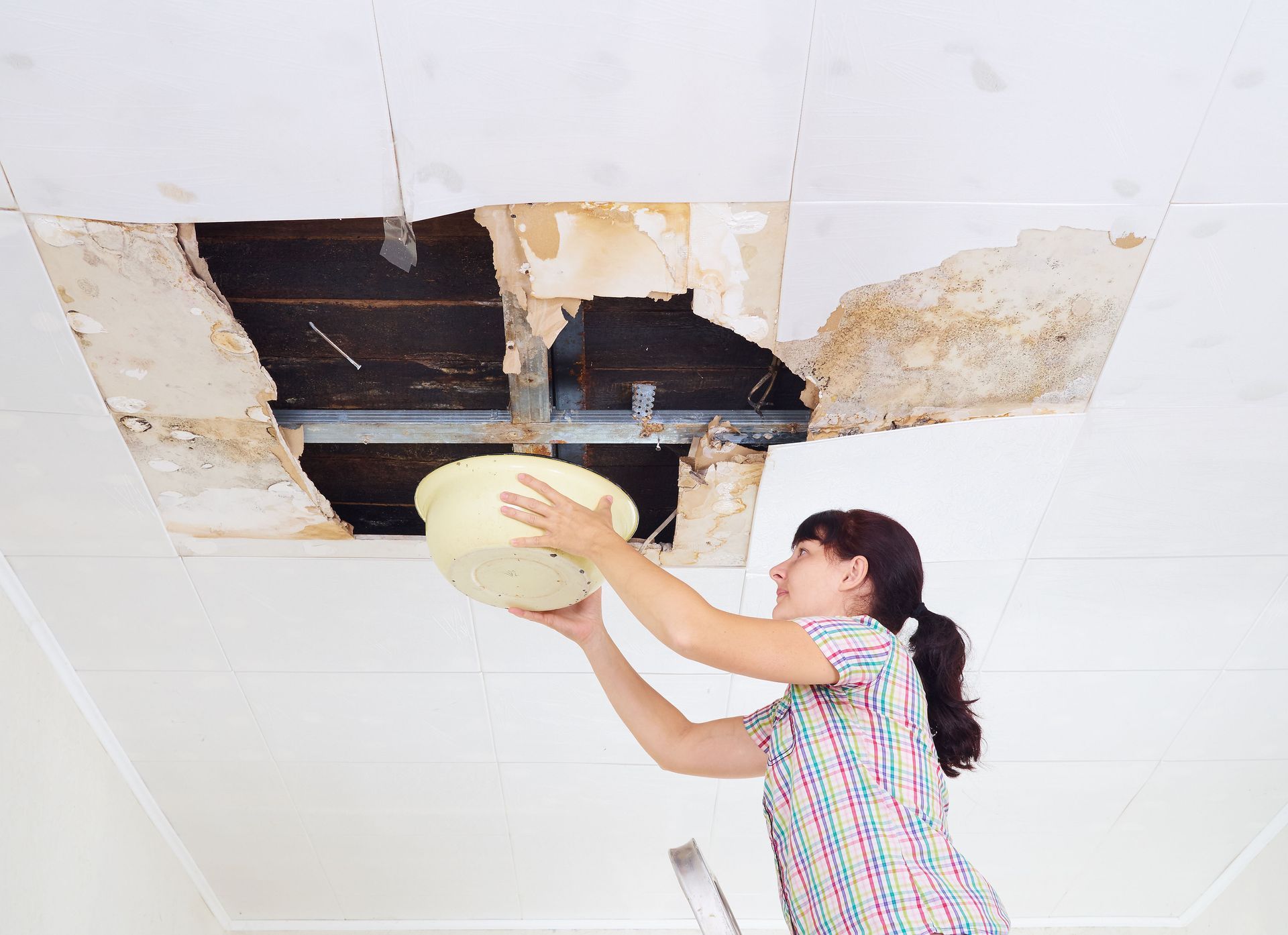
Water damage also rapidly destroys interior finishes like sheetrock, ceiling plaster, and hardwood flooring. Ceiling drywall becomes extremely heavy when saturated with water, causing entire sections of the ceiling to collapse without warning. Saturated carpet and subflooring quickly warp, requiring complete tear-out and replacement to prevent persistent odor and fungal growth. Working with a qualified roofing contractor immediately upon detecting moisture helps minimize these destructive, domino-effect repairs inside your living space.
Furthermore, long-term water intrusion severely damages wall cavities and structural framing throughout lower living levels. As water trickles down stud bays, it ruins wall insulation and destroys surrounding finish materials. The financial cost of remediation scales rapidly the longer water is permitted to migrate through the structure. Promptly sealing leaks protects your property value and prevents compounding damage that requires extensive structural reconstruction.
Implement Proactive Maintenance to Prevent Rapid Water Spread
Preventing rapid water damage requires a combination of seasonal inspections, prompt shingle repairs, and proactive roof maintenance. Inspecting your attic space periodically with a flashlight allows you to spot damp insulation, dark wood staining, or light shining through the roof deck. Checking around chimneys, skylights, and plumbing vents is especially crucial because these roof penetrations are common sources of sealant failure. Identifying localized moisture early allows for fast, targeted repairs before water spreads across wide areas.
Trimming overhanging tree branches prevents debris build-up on the roof surface and reduces the risk of impact damage from falling limbs. Moss and algae growth should be cleared promptly because they trap moisture against shingle surfaces, causing the protective granules to dislodge. Granting an experienced roofing contractor full access to perform annual maintenance ensures all flashings, gutters, and ridge vents remain completely watertight. Experienced professionals use specialized tools to detect hidden moisture pockets long before they become visible indoors.
When hiring a roofing contractor for maintenance, ensure they thoroughly inspect all valley areas where roof planes intersect. These valleys carry heavy volumes of runoff water during storms and are particularly vulnerable to premature wear. Upgrading to high-quality ice and water shields in critical areas adds an extra layer of defense against driven rain and ice buildup. Investing in preventative care is always far more affordable than restoring structural damage caused by unchecked water flow.
Choose Qualified Experts for Lasting Roof Protection
Selecting the right team for your roof repair ensures that repairs are completed correctly using durable, weather-resistant materials. A professional inspection goes beyond superficial fixes, identifying the exact origin of a leak rather than simply patching visible damage. Experienced technicians understand how water moves through complex roof architectures and apply long-term solutions that protect your entire home. Entrusting your home to an established roofing contractor gives you peace of mind that your roof will withstand severe weather events.
Quality workmanship combined with premium materials creates a durable barrier against moisture, wind, and thermal stress. Professional installers follow strict manufacturer guidelines and local building codes to ensure your warranty remains valid. They also assess proper attic ventilation, which plays a critical role in preventing condensation build-up under the roof deck. By maintaining healthy air circulation, your roof framing stays dry and resistant to internal moisture accumulation.
Taking dynamic steps today safeguards your family, your personal belongings, and your real estate investment from costly water damage. Do not wait for a minor damp spot to turn into a major emergency requiring extensive structural overhauls. A dependable roofing contractor evaluates every square foot of your covering to keep your home safe and dry year-round. Protecting your property begins with vigilant maintenance and prompt professional attention at the first sign of trouble.
Addressing roof leaks early is the single best way to protect your property from hidden water damage, mold growth, and structural decay. When water breaches your home's outer defenses, fast action prevents minor drip points from escalating into widespread structural repairs. For reliable inspections, expert repairs, and long-lasting roof replacements, contact the trusted team at M&G Roofing by visiting mandgroof.com today.