August 3, 2026
Your commercial roof is a vital part of your business infrastructure, providing protection against the elements and ensuring the safety and comfort of your employees and clients. However, like any other structural component, it requires regular maintenance and occasional repairs. Knowing the signs that indicate you need to call professional commercial roofers can save you from costly repairs and operational disruptions.
Visible Water Leaks Inside the Building
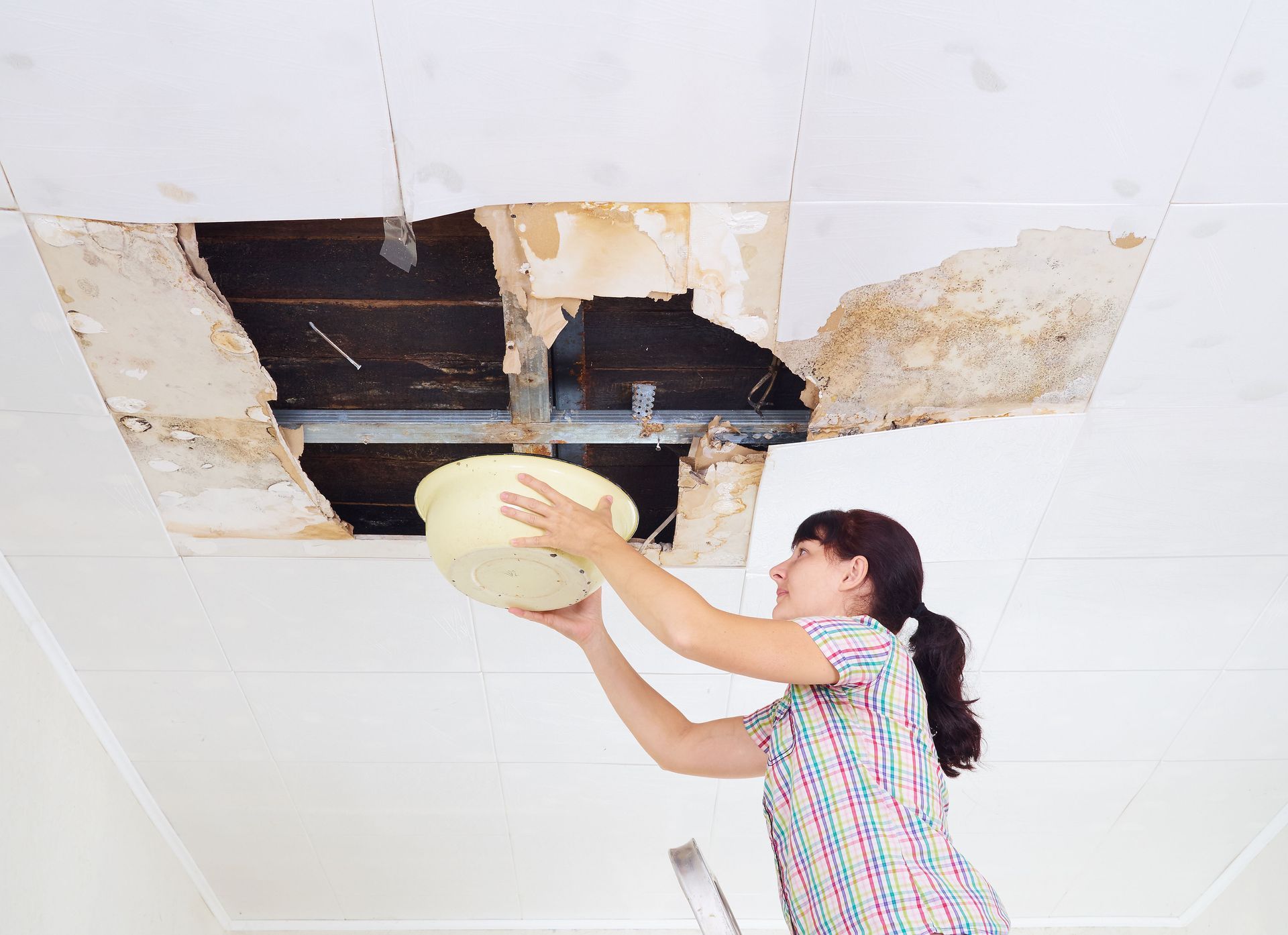
Visible water leaks within your building are immediate red flags, signifying that your roof may need urgent attention. Interior water spots are often a precursor to larger issues, hinting at possible breaches in your roofing structure. Ceiling stains and discoloration, particularly after a rainstorm, indicate water infiltration that could lead to significant damage if left unaddressed. The threat of mold and mildew grows with prolonged exposure to moisture, posing health risks to employees and damaging materials within your building. Inspecting for water dripping from ceilings or pooling in unexpected places following rainfall is crucial in determining the health of your roof.
The presence of water leaks should trigger a thorough inspection and documentation of water-related events. Documenting water leakage occurrences helps track the severity of the issue and aids professionals in diagnosing the root cause efficiently. Regular monitoring can prevent small leaks from evolving into major structural concerns, thus avoiding extensive repairs and associated costs. Mold and mildew not only affect building materials but also compromise air quality, which can have long-term effects on employees' health. Early identification of these issues and collaborating with roofing experts can result in quick resolutions and maintain your workplace's safety standards.
Structural Damage From Severe Weather
Commercial roofs often suffer after severe weather events, which cause varying degrees of structural damage. Wind damage is a common consequence of storms, potentially lifting roofing materials and creating vulnerabilities in your roof system. Hail impact can cause immediate and visual damage, leaving dents or even punctures that compromise the roof's protective capabilities. According to Ruby Home, approximately 33% of roof replacements each year are due to storm damage, highlighting the importance of vigilant post-storm inspections. Assessing storm-related debris impact is vital, as debris may puncture membranes or block drainage systems, leading to further complications.
Snow and ice can also play detrimental roles in damaging roofing structures. Snow accumulates on the roof, and when it melts, the resulting water must drain efficiently to avoid pooling. Persistent build-up and freeze-thaw cycles lead to cracks and surface degradation, weakening the roofing materials over time. Post-weather event conditions require careful examination, identifying any lasting impacts or concealed damages. Regular inspections by roofing professionals ensure potential issues from storm damage are addressed promptly, preventing long-term consequences and ensuring structural robustness during future weather events.
Visible Wear and Tear on Roofing Material
With regular exposure to environmental stressors, visible wear and tear on roofing material should not be ignored. Identifying cracks and blisters in the roofing material signals aging or material failure, needing expert intervention to determine appropriate repair strategies. Balding or missing shingles expose underlying structures to external factors, accelerating wear and compromising durability. Assessing membrane punctures is essential, as these can quickly lead to water infiltration, gradually affecting the building's integrity. Understanding the consequences of material aging and implementing timely maintenance strategies with commercial roofers extends your roof's service life, maintaining building safety and operational efficiency.
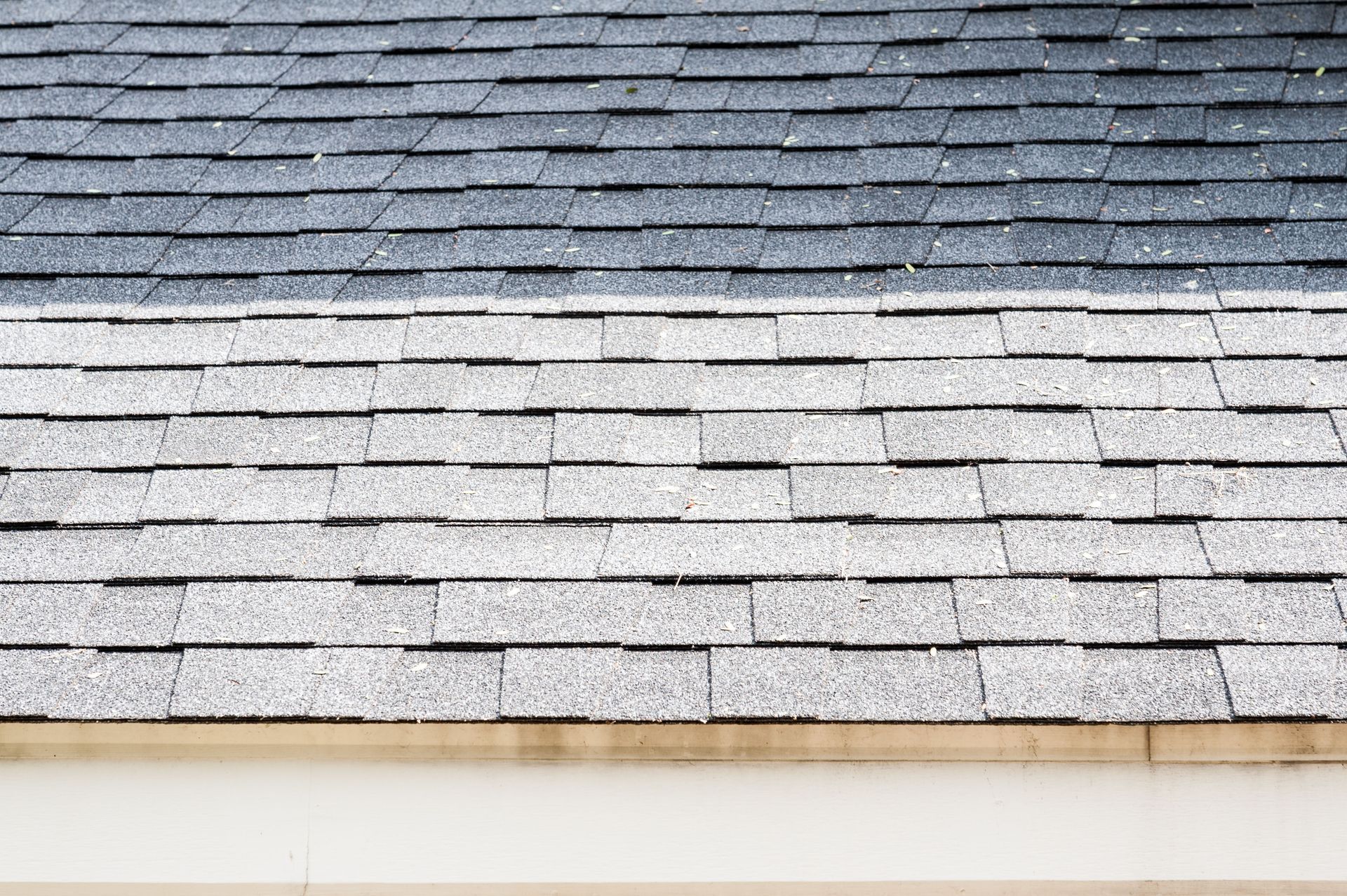
Granular loss on shingles represents a significant form of wear and tear, often indicative of an aging roof approaching the end of its life cycle. Granules from shingles are lost as they age or when severely impacted, such as during a storm. This loss reduces the roof's ability to shield against UV rays and precipitation, necessitating a detailed inspection by roofing experts. The evidence of superficial damage—like missing shingles or obvious wear patterns—requires immediate attention to avoid comprehensive system failures. Partnering with seasoned commercial roofers ensures small issues are addressed before they evolve into large-scale problems demanding more extensive repairs.
Issues With Roof Drainage
Effective roof drainage is crucial for the longevity and performance of your commercial roof system. Pooling water on flat roofs can accelerate membrane deterioration and invite leaks, causing interior damage over time. Recognizing pooling water issues is the first step in correcting drainage inadequacies and ensuring rainwater is efficiently directed away from your building. Clearing blocked drains and gutters is essential, as these can disrupt normal water flow, leading to overflow and additional weight stresses on the roof structure. Promptly addressing drainage issues prevents water-related damage, ultimately safeguarding building integrity and worker safety.
Understanding the impacts of poor drainage involves appreciating its potential to cause long-term harm, including structural instabilities and compromised roof materials. Assessing the effectiveness of downspouts involves ensuring water is safely transported away from the foundation to prevent pooling around building perimeters. Evaluating drainage-related damage includes identifying erosion, membrane detachment, and fatigued supportive structures. Regular maintenance checks by roofing experts confirm that your drainage system is performing optimally, averting expensive repairs and potential hazards. Investing in these inspections ensures the roof remains clear of water, mitigating risks of pooling and associated damage.
Sudden Increase in Energy Costs
Rising energy costs can often signal underlying roofing issues that might require professional assessments. Examining insulation integrity is vital, as compromised insulation leads to inefficient heating and cooling, significantly increasing energy consumption. A sudden jump in energy expenses can also indicate inefficient HVAC performance, often related to undetected leaks allowing temperature fluctuations within the building. Understanding the role of reflective coating helps identify areas where energy efficiency might be improved, countering excessive heat absorption during warmer months. Evaluating thermal bridging issues provides insights into potential causes for unusual energy patterns, prompting remedial action.
Monitoring energy bills for unusual patterns allows property managers to correlate increased consumption with roof condition. High energy costs may suggest that re-insulating or adding reflective materials could optimize building performance and reduce utility expenses. A thorough inspection from commercial roofers can help identify these inefficiencies, suggesting strategic modifications to improve insulation and energy retention. Responsible energy management extends beyond immediate conservation, impacting long-term operational costs and resource efficiency. Proactive attention to roof-related energy concerns is an investment in sustainable business practices and work environment comfort.
Unusual Odors or Sounds
Unusual odors or sounds emanating from your roof can be indicators of underlying problems, requiring immediate investigation by roofing professionals. Detecting new or unusual smells can point to water accumulation, organic material decay, or insulation issues within the roof structure. Identifying unexplained noises, such as creaking or popping, suggests structural shifts or material distress due to temperature changes or water damage. Understanding odor sources related to roofing concerns involves identifying leaks or ventilation failures, crucial for preventing air quality issues inside the building.
Documenting sensory changes over time helps track the development of potential roofing failures, aiding professionals during repairs. Conducting regular sensory assessments allows property managers to anticipate and prevent significant problems, maintaining a safe and comfortable environment for occupants. Addressing these sensory warnings before they manifest into physical damage avoids costly repairs and prolongs roof lifespan. Collaboration with commercial roofers offers solutions to mitigate issues, enhancing structural integrity and building reliability.
Recognizing these signs early on and consulting with professional commercial roofers can prevent small issues from turning into significant, costly repairs. Prioritize regular inspections and address problems as they arise to maintain the integrity and functionality of your commercial building’s roof, ensuring a safe and efficient environment for your business operations. Keeping your roof in optimum condition not only shields the physical environment but also promotes a safe, productive workplace, benefiting all stakeholders involved. Reach out to M&G Roofing to learn more about our commercial roofers and services today.